
08 Aug 2026
Ha Giang Province Travel Guide: Mountains, Ethnic Culture and Your Local Impact
Ha Giang provinceTravel guideDong Van GeoparkResponsible travelItinerary
Ha Giang is where northern Vietnam stops being a list of sights and becomes a story. Limestone peaks, passes that seem to hang in the air, villages of a dozen ethnic groups and mornings spent above the cloud line: this is what we ride through every week, and this guide is how we explain it to guests who are planning their first visit.
What Makes Ha Giang Province Special
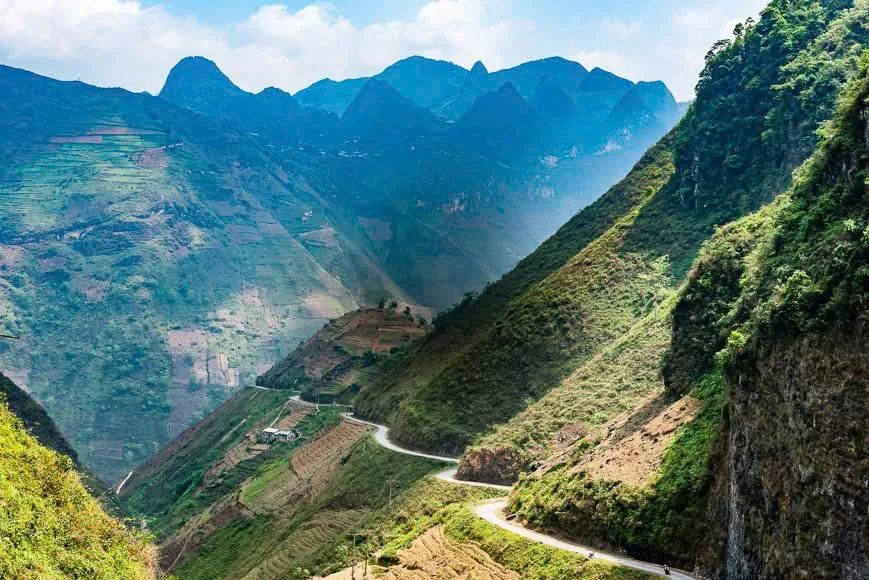
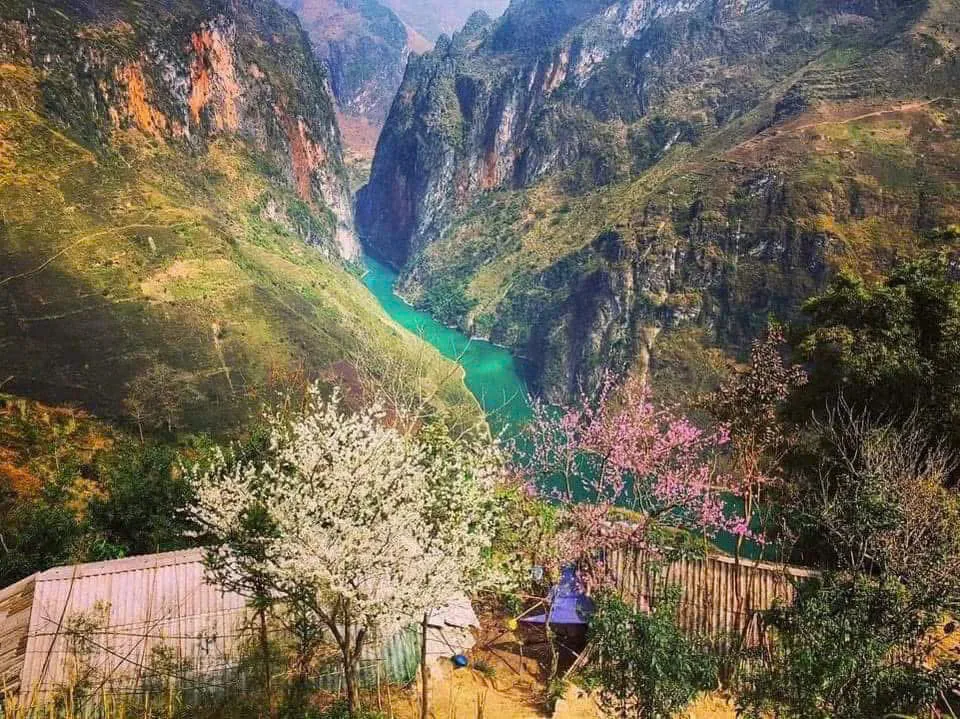
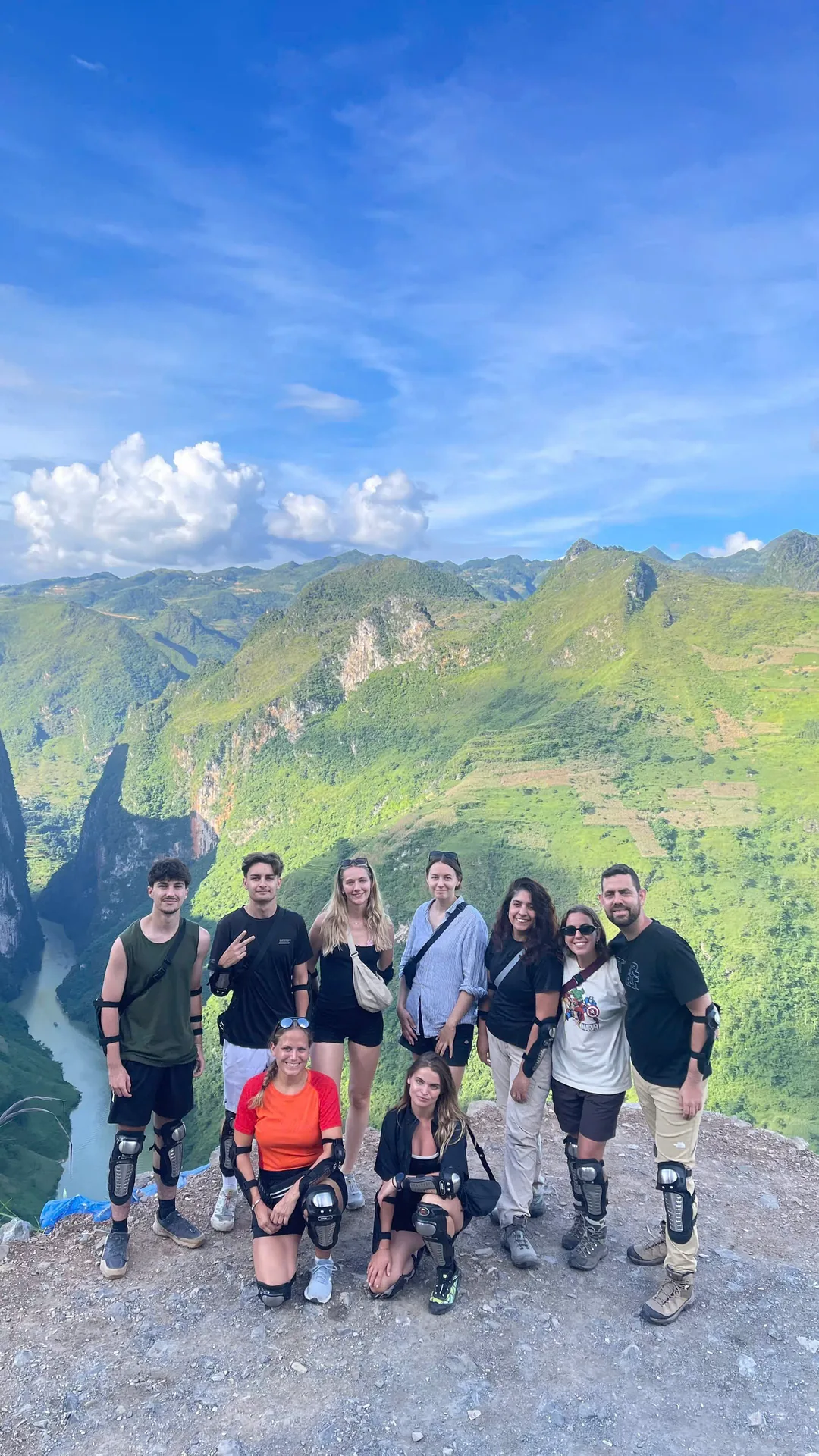
The mountains here are not scenery in the background. They rise like walls on both sides of the road, and the road threads between them with hairpins stacked ten deep. Most of the Loop crosses the Dong Van Karst Plateau, a UNESCO Global Geopark where limestone laid down hundreds of millions of years ago has been carved into ridges, sinkholes and the deep gorge of the Nho Que River.
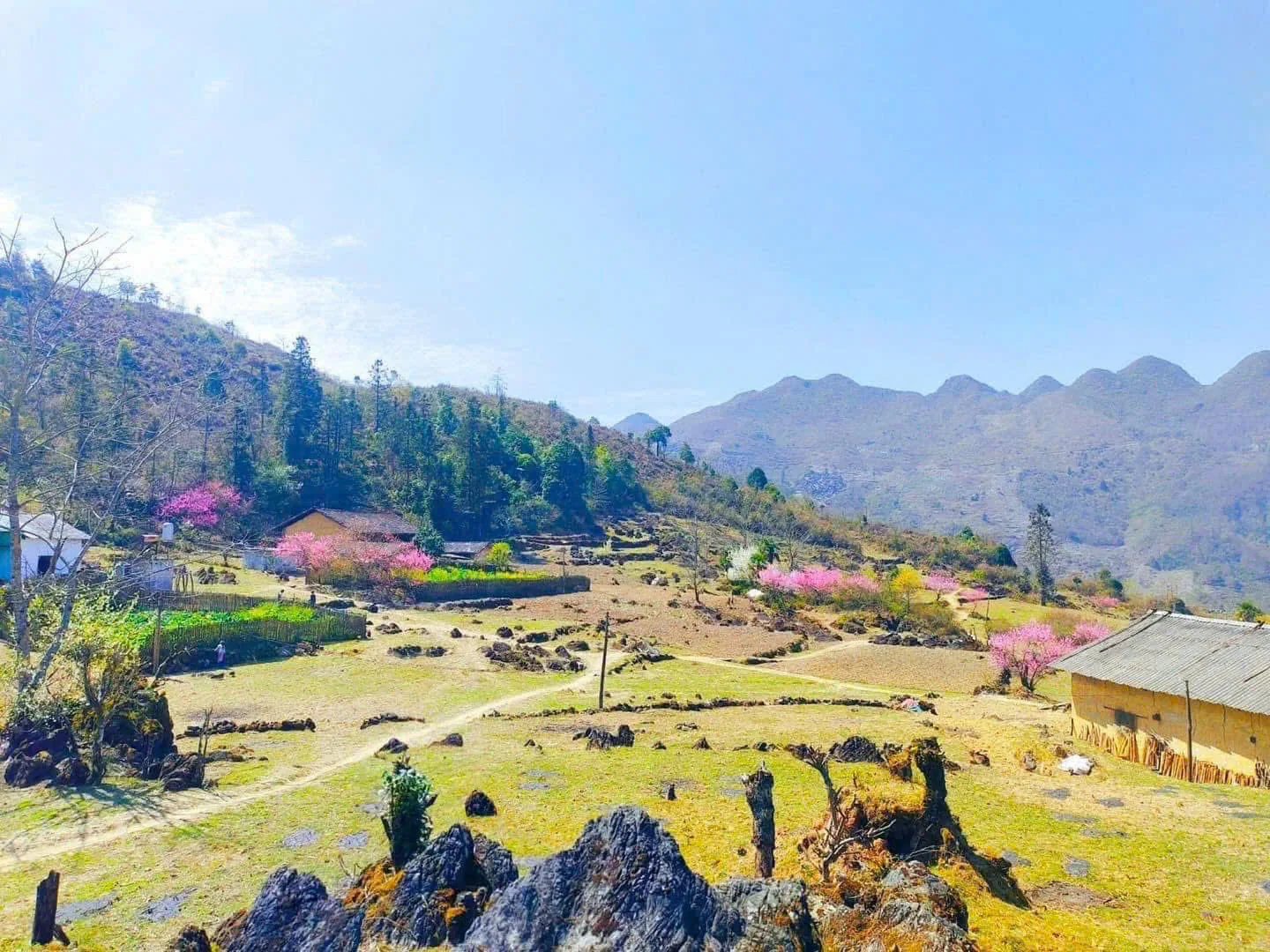
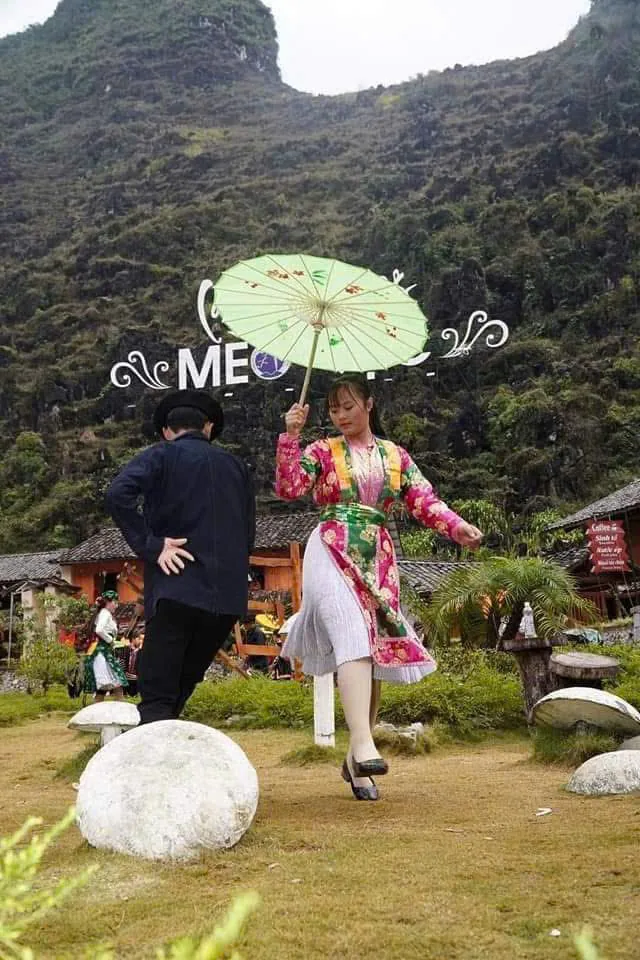
What gives the landscape its life is that people farm it. H'mong families grow corn in pockets of soil between rocks, Tay villages sit on stilts beside rivers, and on market day the roads fill with Lo Lo, Dao and Nung traders in their own dress. Every bend offers a photograph, but the real reward is watching a way of life that still follows the seasons.
Is Ha Giang Still a Province?
Administratively, no. In July 2025 Ha Giang was merged with Tuyen Quang as part of Vietnam's nationwide reorganisation of provinces, and the combined unit carries the name Tuyen Quang. For travellers nothing has changed on the ground: the Loop still starts in Ha Giang city, buses still show Ha Giang on the front, and everyone from bus drivers to homestay owners still calls the region by its old name. We use "Ha Giang" throughout this site because it is the name you know and the name the mountains have carried for generations.
Best Places to Visit in Ha Giang
- Quan Ba Heaven Gate: the first big view, an hour from the city after Bac Sum Pass, looking down on the Twin Fairy Mountains.
- Yen Minh: pine forest and a slower stretch of road before the plateau proper; the 4-day Loop spends its third night here.
- Dong Van: a century-old stone-and-timber old quarter, the Sunday market and our H'mong homestay.
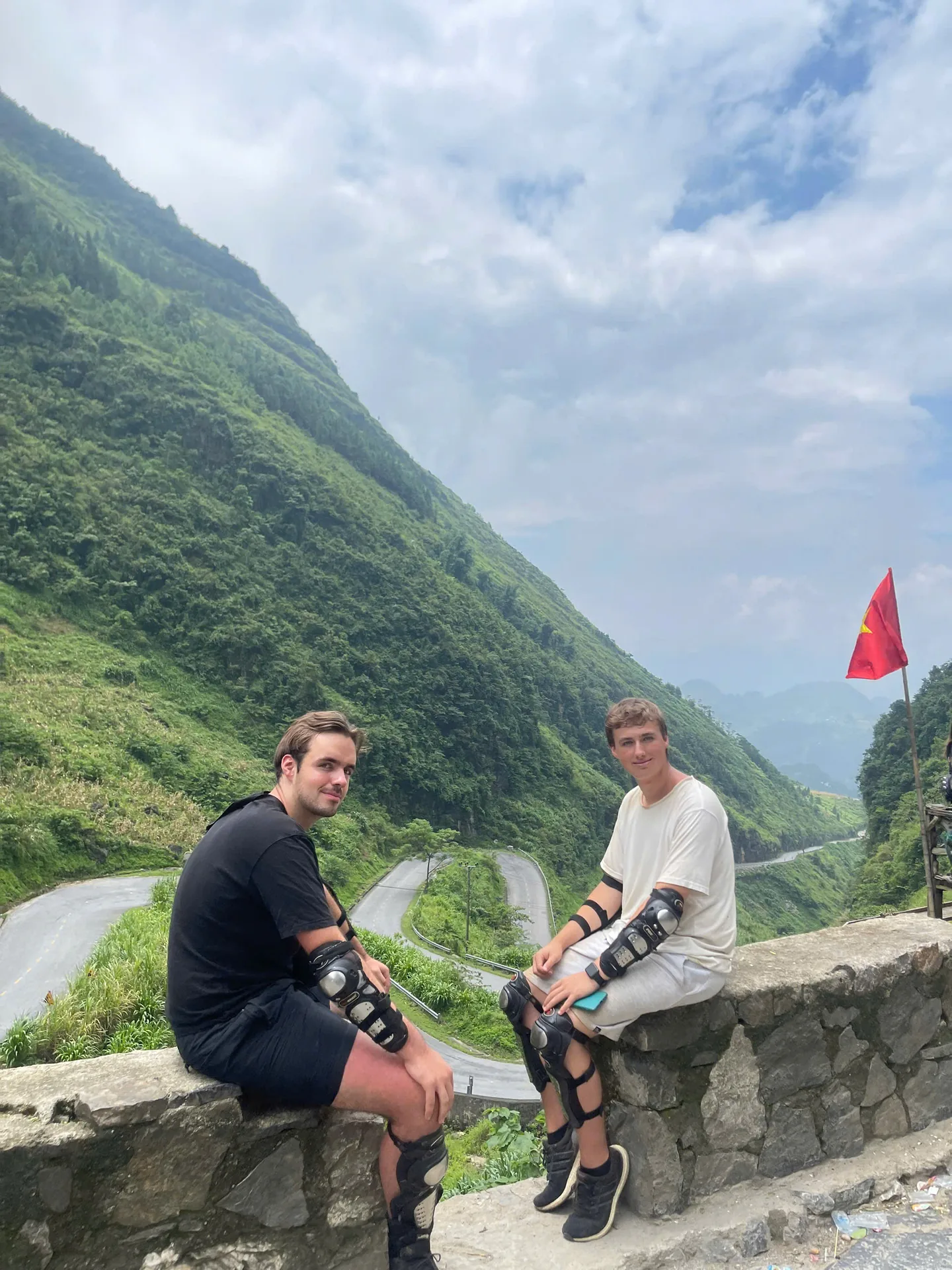
- Ma Pi Leng Pass: the famous cliff road above the Nho Que River, built largely by hand in the 1960s.
- Nho Que River: seen from above on the pass and, on our 3-day and 4-day Loops, from the water when we raft the Hangtham Lin River nearby.
- Lung Cu flag tower: the northernmost point of Vietnam, with the Lo Lo village of Lo Lo Chai at its foot.
- Du Gia: terraces, rivers, the A Boong waterfall and a Tay stilt-house homestay; the quiet side of the Loop that we love most.
Treat these as chapters rather than a checklist. Some of the best moments happen at an unnamed bend between two of them.
Why Travellers Choose the Northern Mountain Route
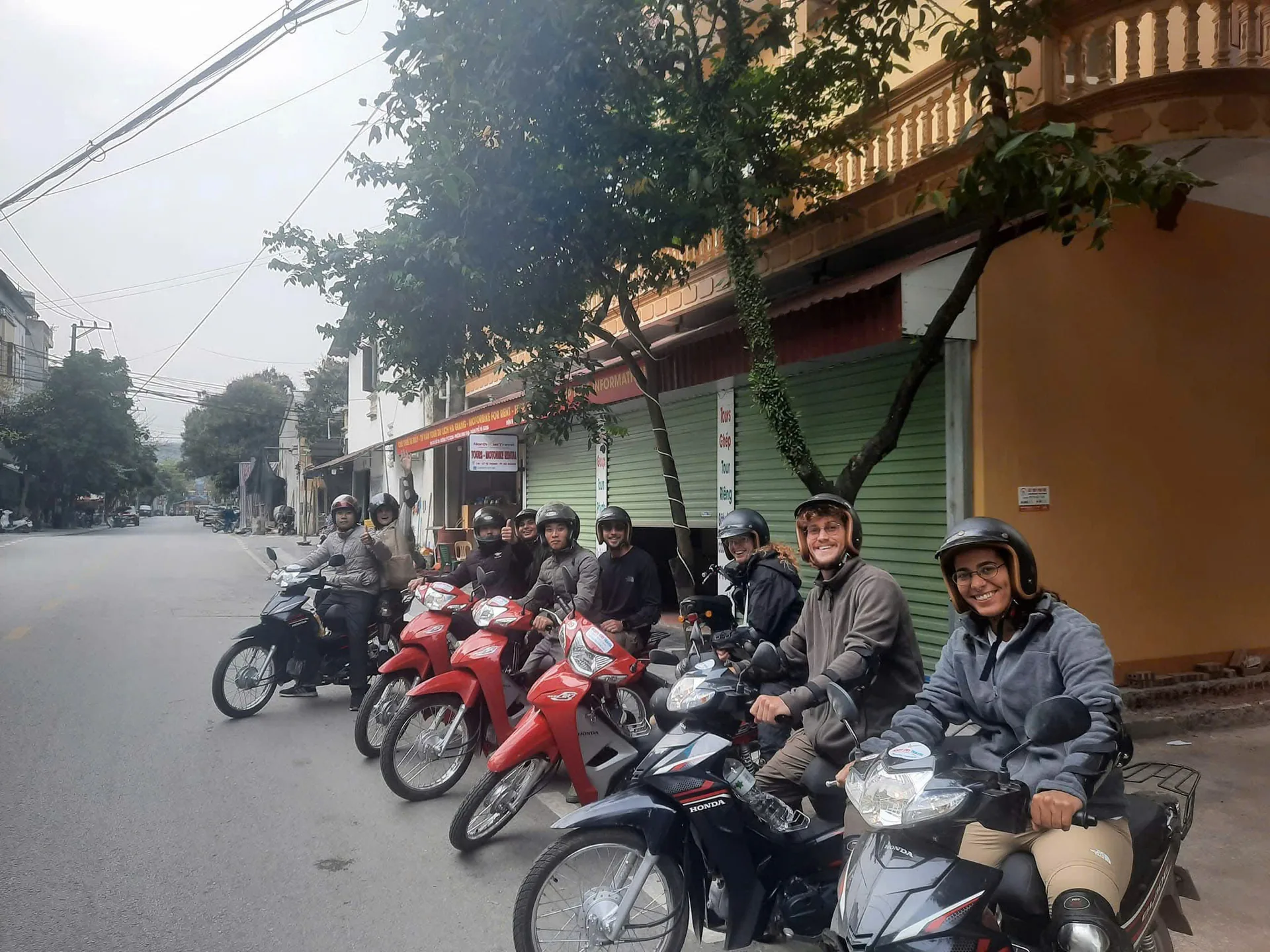
Guests come to Ha Giang because they want a few days that feel unscripted: cold air, real villages and the sense of moving through somewhere remote. Guided riding is popular here for good reason. A local driver knows which corners hide gravel, which valley fogs in first, where the good lunch is and how to say thank you in H'mong. Guides also stop guests making the classic mistakes: riding too fast, underestimating the weather, skipping the villages in a race to the next viewpoint.
Best Time to Visit Ha Giang
- March to May: mild, green and dry enough for comfortable riding; peach and plum blossom early in the season.
- June to August: the wettest months. Terraces and waterfalls are at their fullest, but roads can be slippery and landslides happen.
- September to November: the most popular window, with clear skies, golden rice around Du Gia and buckwheat flowers on the plateau in October and November.
- December to February: cold, especially on the high passes, with fog that can hide the view for hours. Quiet and atmospheric if you dress for it.
Whatever the month, pack a warm layer and a rain jacket. Mountain weather changes within an hour.
How Many Days Do You Need?
Three or four is the honest answer, and it is what we offer:
- 2 days, 1 night (3.800.000₫ Easy Rider) is the express version: Heaven Gate, Tham Ma Pass, a night in Dong Van and Ma Pi Leng on the way back. Two long days in the saddle.
- 3 days, 2 nights covers Du Gia, the waterfall and rafting, Ma Pi Leng, Dong Van and the border viewpoint. This is the Loop we recommend to most people.
- 4 days, 3 nights adds a whole day for Lung Cu, Lo Lo Chai and the Lao Xa ancient house, so no day is rushed.
All three start and end in Ha Giang city, so you can connect to a night bus on the last afternoon.
Safety and Licence Rules
Mountain roads here are steep, narrow and shared with trucks, so safety comes before everything else in how we run tours.
If you plan to ride yourself, Vietnamese law requires a licence valid for the bike you are on. For foreign visitors that means an International Driving Permit issued under the 1968 convention with category A or A1, presented together with your home licence. Police on the Loop run regular checkpoints and check both documents; an IDP under the 1949 convention is not accepted. Without the right papers your travel insurance will not cover an accident.
If that sounds like a hassle, or you simply have not ridden a manual bike on mountain roads before, the safest choice is Easy Rider: you sit behind one of our experienced local drivers and need no licence at all.
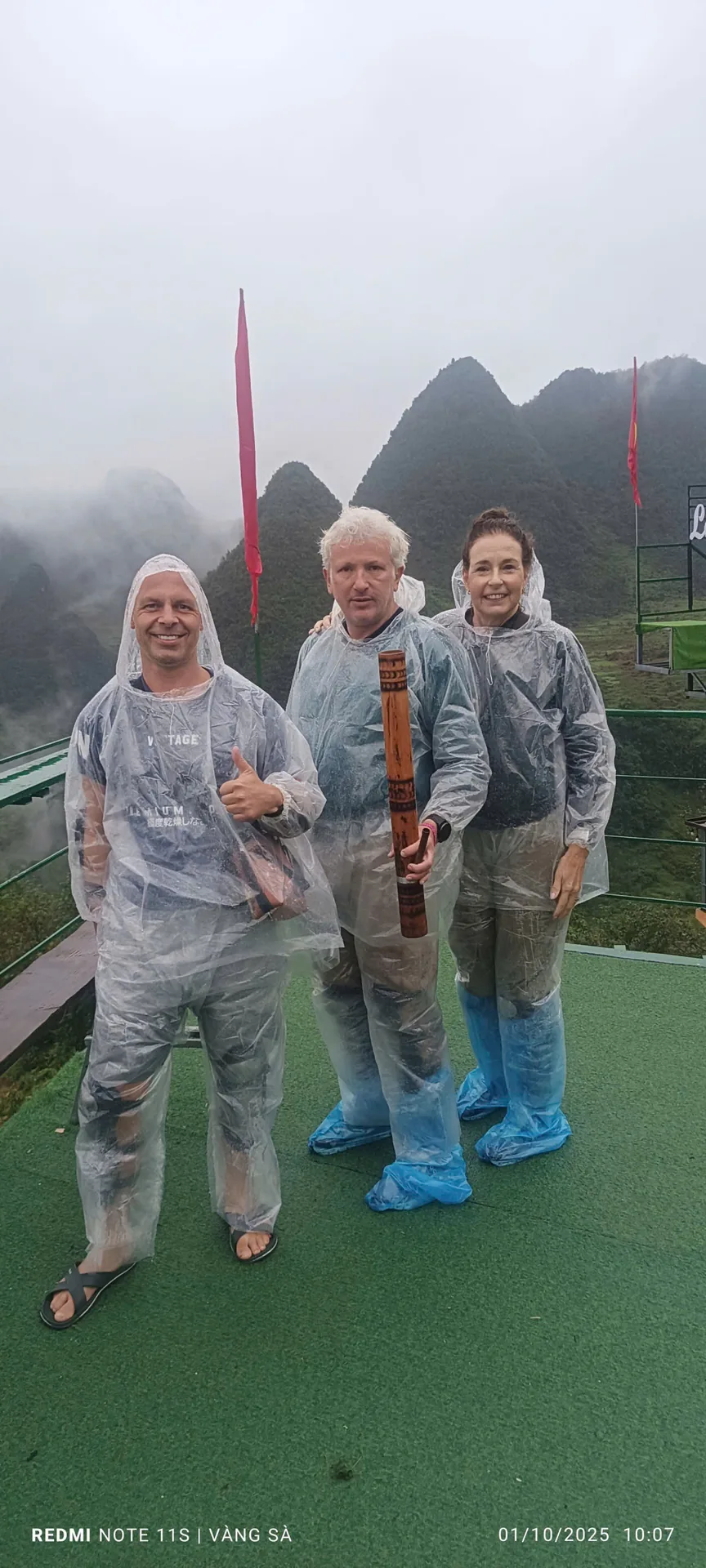
Our basic rules for every guest: wear the helmet and gear we provide, never drink before riding, never ride after dark, follow your guide, and never pressure a driver to go faster. This is travel information, not legal advice; confirm current rules before you travel.
How to Travel Responsibly in Ha Giang
Responsible travel here is mostly common courtesy. Ask before taking someone's portrait. Dress modestly in villages. Buy your snacks and drinks from the family-run shops along the road. Carry a refillable bottle and bring your rubbish back to town, because there is no collection at the viewpoints. Ride quietly through villages: children and animals use the same road you do.
How We Try to Give Back
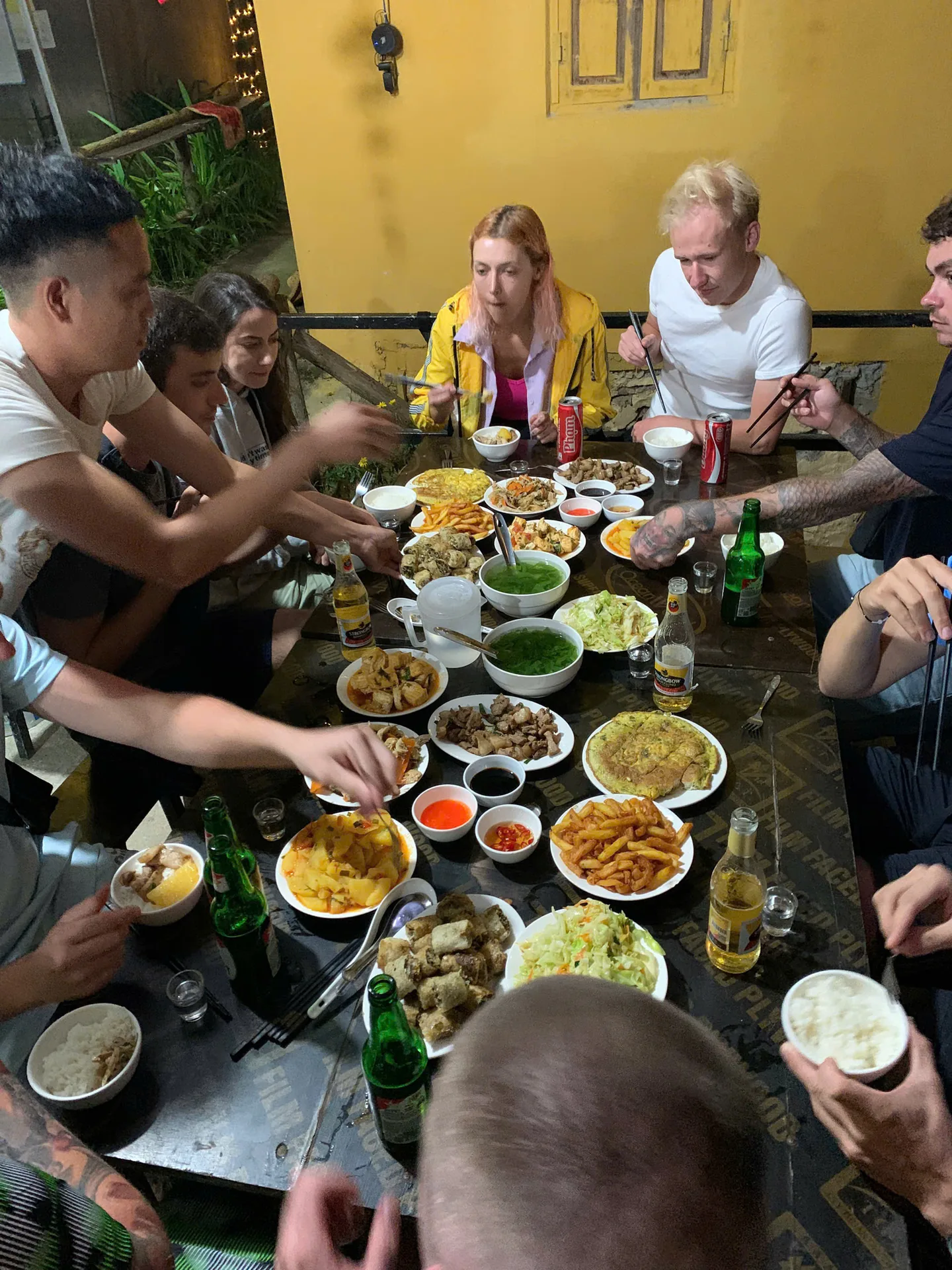
We are a local team, and the simplest impact we can have is where the money goes. Our guests sleep in family homestays in Du Gia and Dong Van, eat meals cooked by those families, and visit the hemp weavers of Lung Tam, so tour income stays in the villages along the route. Our drivers are from Ha Giang. We keep group sizes small and stop where local people actually live rather than at purpose-built tourist stops. It is not complicated, and it is what keeps the Loop worth riding.
Why Choose Freedom
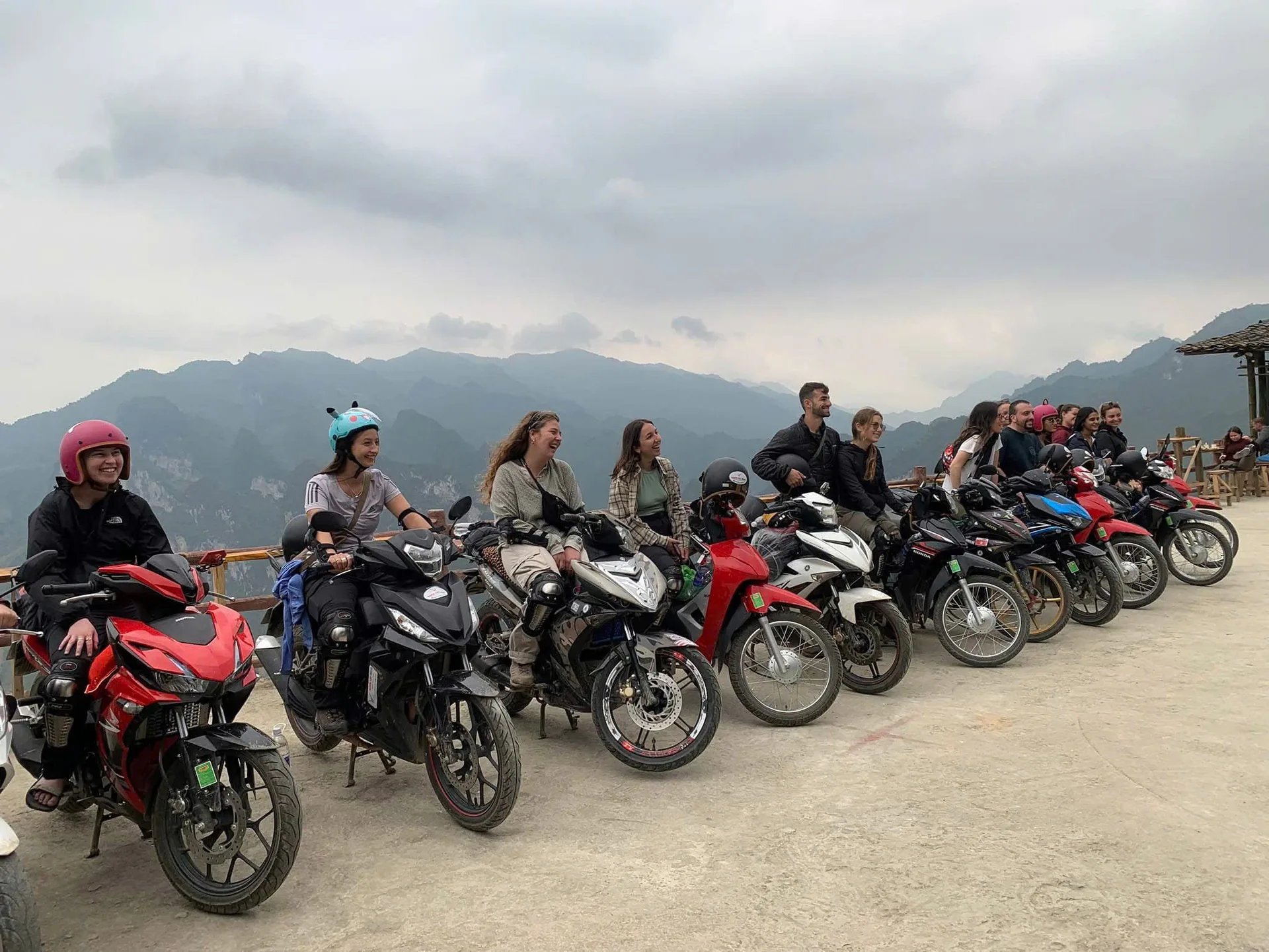
We ride these roads every week, in every season. Every group has its own English-speaking guide, pick-up from Hanoi, Sapa, Ninh Binh, Cat Ba or Ha Long is included, and so are meals, homestays, gear, fuel, entry tickets and travel insurance. What you get is a Loop that is safe, personal and rooted in the villages we come from.
Suggested 4-Day Itinerary for First-Time Visitors
- Day 1: Ha Giang – Du Gia. The quiet back road via Ban Cuong and Thuan Hoa, a swim at A Boong waterfall, the Duong Thuong and Lung Ho valleys, and a night with a Tay family.
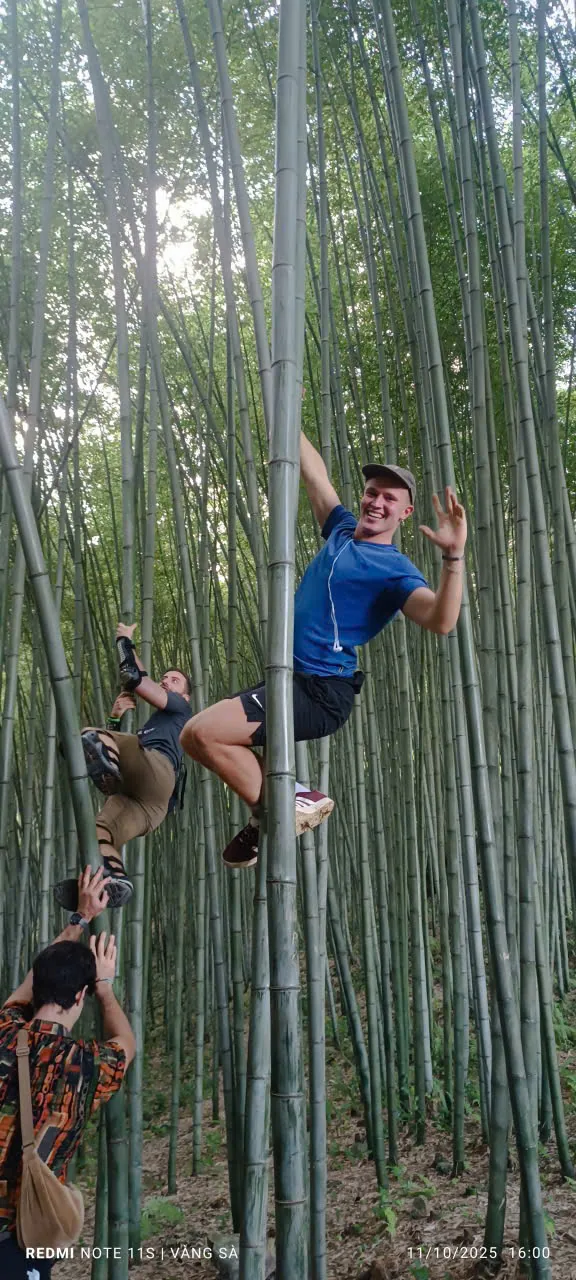
- Day 2: Du Gia – Dong Van. Bamboo rafting on the Hangtham Lin River, lunch in Sung Trai, the Meo Vac viewpoint, the bamboo forest, the Nho Que River and Ma Pi Leng Pass, then a H'mong homestay.
- Day 3: Dong Van – Yen Minh. Lung Cu flag tower, Lo Lo Chai, Thien Huong, the Lao Xa ancient house and Tham Ma Pass.
- Day 4: Yen Minh – Ha Giang. Lao Va Chai viewpoint, Lung Tam weaving village, Lung Khuy cave, the Twin Mountains, Heaven Gate and Bac Sum Pass home.
Weather can change the order; your guide decides on the day.
Final Thoughts
Whatever the province is called on the map, the mountains have not moved. Come with respect for the road, the weather and the people, choose the riding option that matches your ability, and Ha Giang will give you a few of the best days of your trip.
Ready to Ride?
Prices per person: 2-day Loop 3.800.000₫ (Easy Rider); 3-day Loop 3.050.000₫ seat behind a friend, 3.750.000₫ self-riding, 4.700.000₫ Easy Rider; 4-day Loop 3.850.000₫, 4.550.000₫ and 5.700.000₫. Details and booking at /#pricing, or message us on WhatsApp at +84 973 910 970 and we will help you plan.
More stories
10 Aug 2026
Freedom Ha Giang Loop: Why Ride Vietnam's Mountain Road With Us
What a Ha Giang Loop with Freedom actually looks like: three ways to ride, small groups with their own guide, family homestays, proper gear, pick-up from Hanoi and a safety-first pace.
Read more →10 Aug 2026
Ha Giang Loop Adventures: A Complete Guide to Riding Northern Vietnam
Everything we tell our own guests before they ride the Ha Giang Loop: the route through the Dong Van Geopark, Ma Pi Leng and the Nho Que River, the people along the road, how many days to take, and whether to ride yourself or sit behind a local Easy Rider.
Read more →10 Aug 2026
Ha Giang Loop Deaths: The Safety Facts to Know Before You Ride
People do die on the Ha Giang Loop, and pretending otherwise helps nobody. Here is what actually goes wrong on these mountain roads, what the licence law says, and how to pick a way of riding that brings you home.
Read more →