
07 Aug 2026
Ha Giang Loop Danger: An Honest Safety Guide From Riders Who Do It Every Week
safetyha-giang-loopeasy-riderlicenceweather
Every week someone messages our WhatsApp with the same question, phrased a dozen different ways: is the Ha Giang Loop dangerous? We could answer with a reassuring line and a booking link. We would rather tell you the truth, because the truth is what keeps you upright on Ma Pi Leng.
Is the Ha Giang Loop Dangerous?
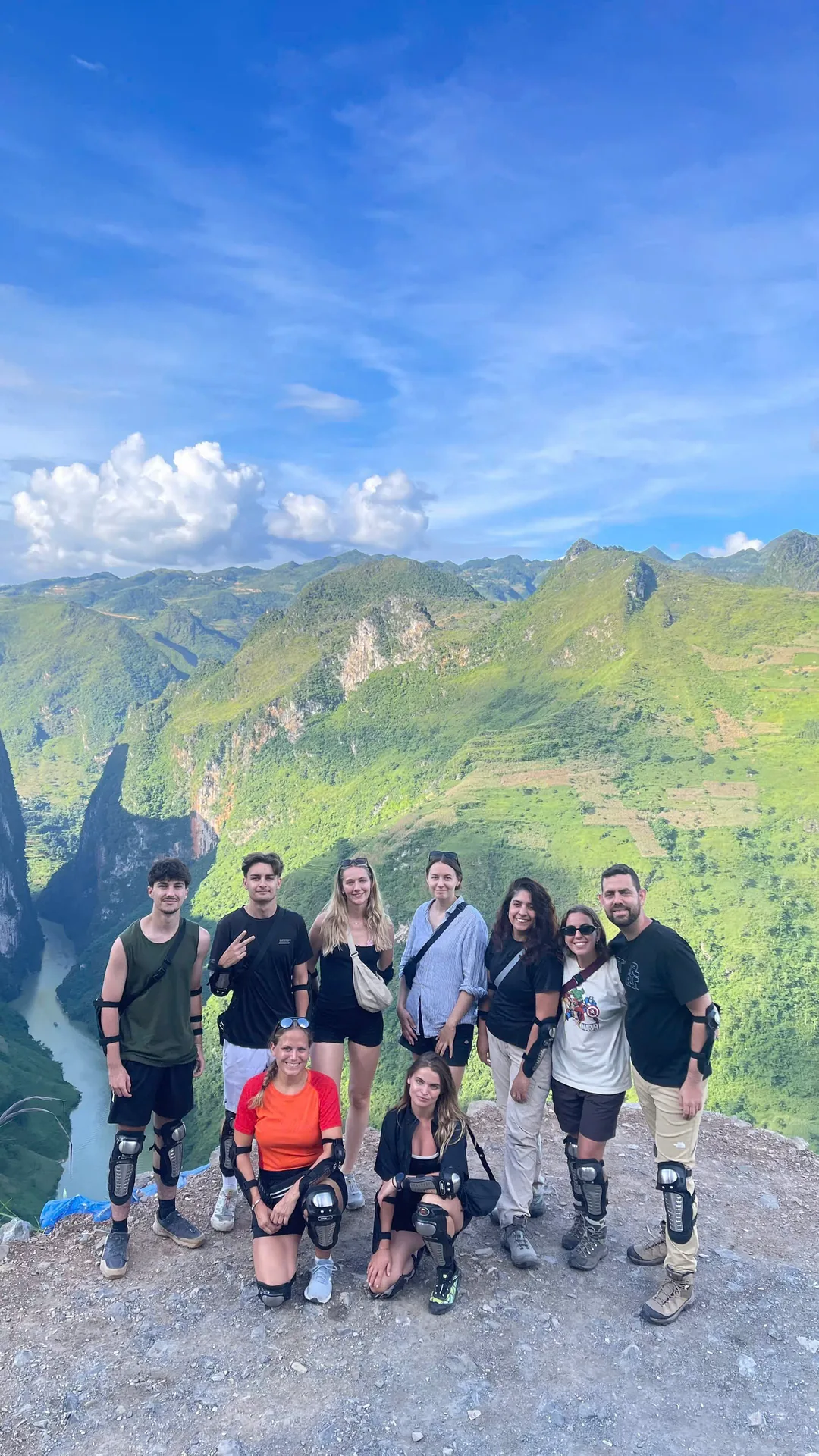
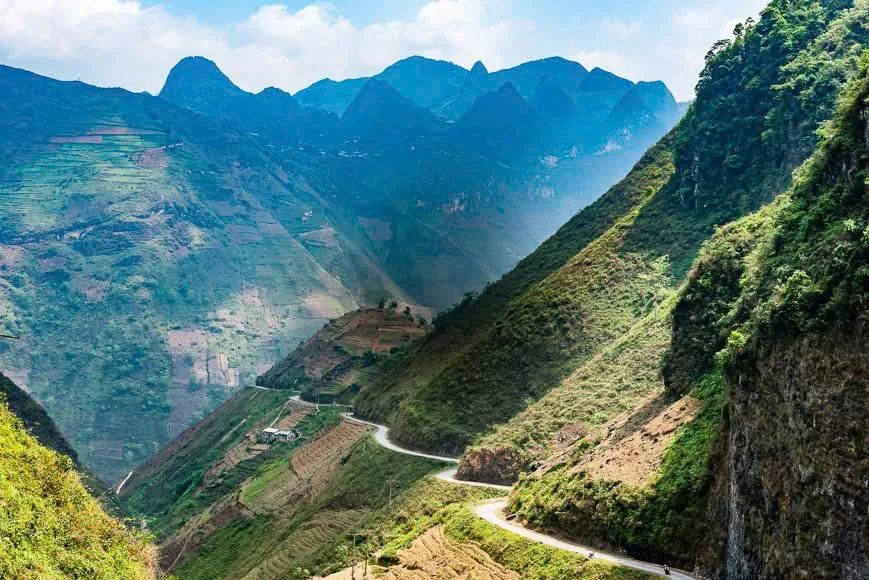
Yes, for people who arrive unprepared. The Loop is roughly 300 kilometres of mountain road across the Dong Van Karst Plateau, a UNESCO Global Geopark where much of the tarmac was cut by hand into limestone cliffs. You leave Ha Giang city at little more than 100 metres above sea level and within hours you are on passes above 1,500 metres, on hairpins with a rock wall on one side and a very long drop on the other.
None of that is a reason to skip Ha Giang. It is a reason to take it seriously. The riders who get hurt are rarely the careful ones; they are the ones who stepped off the night bus, rented the first bike they saw and pointed it at Tham Ma Pass by lunchtime. Treat the Loop as a mountain expedition, put the right person on the handlebars, and it becomes the best few days of your trip.
Why "Ha Giang Loop Danger" Is Such a Common Search
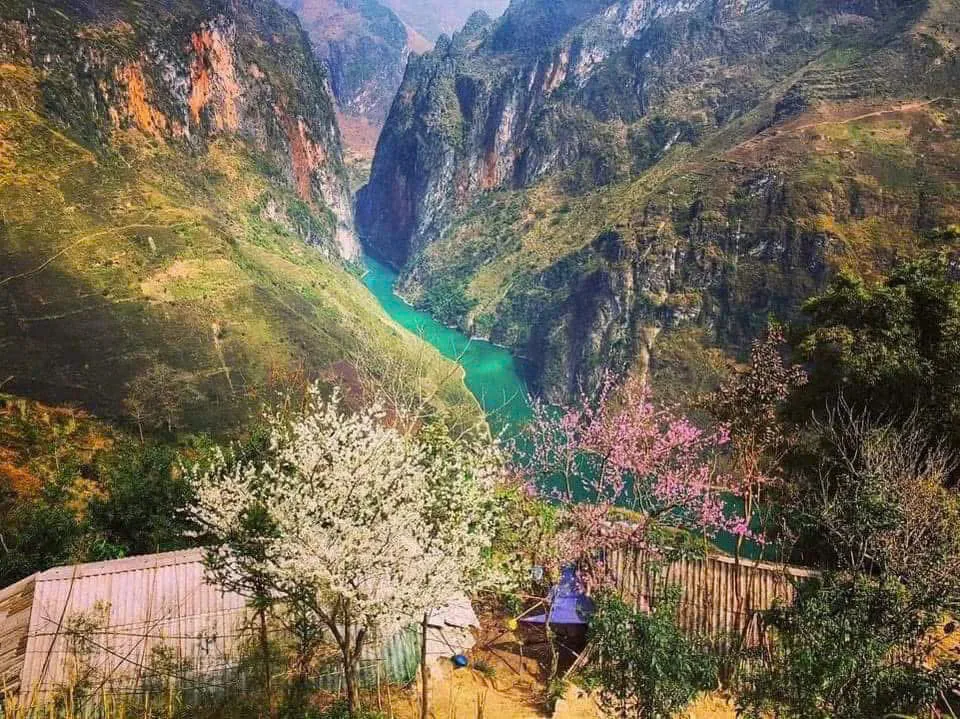
Anyone researching the Loop meets two internets. In one, it is golden light on the Nho Que River, buckwheat fields in November and new friends around a homestay dinner. In the other, it is bandaged knees, a scooter at the bottom of a ravine and a warning to stay away.
Both versions are real, and the gap between them is not luck. The corner that gives you a postcard at eleven in the morning can be wet, foggy and covered in gravel by three. This guide is not here to frighten you. It exists so you can decide, before you arrive, how you want to ride and with whom.
The Main Risks on the Route
After years on this road we can tell you the danger rarely comes from the famous passes themselves. It comes from a few predictable things.
- The road surface. Parts of the Loop are being rebuilt almost permanently: fresh gravel, construction dust, patched tarmac and the film of mud a truck leaves across a bend after rain.
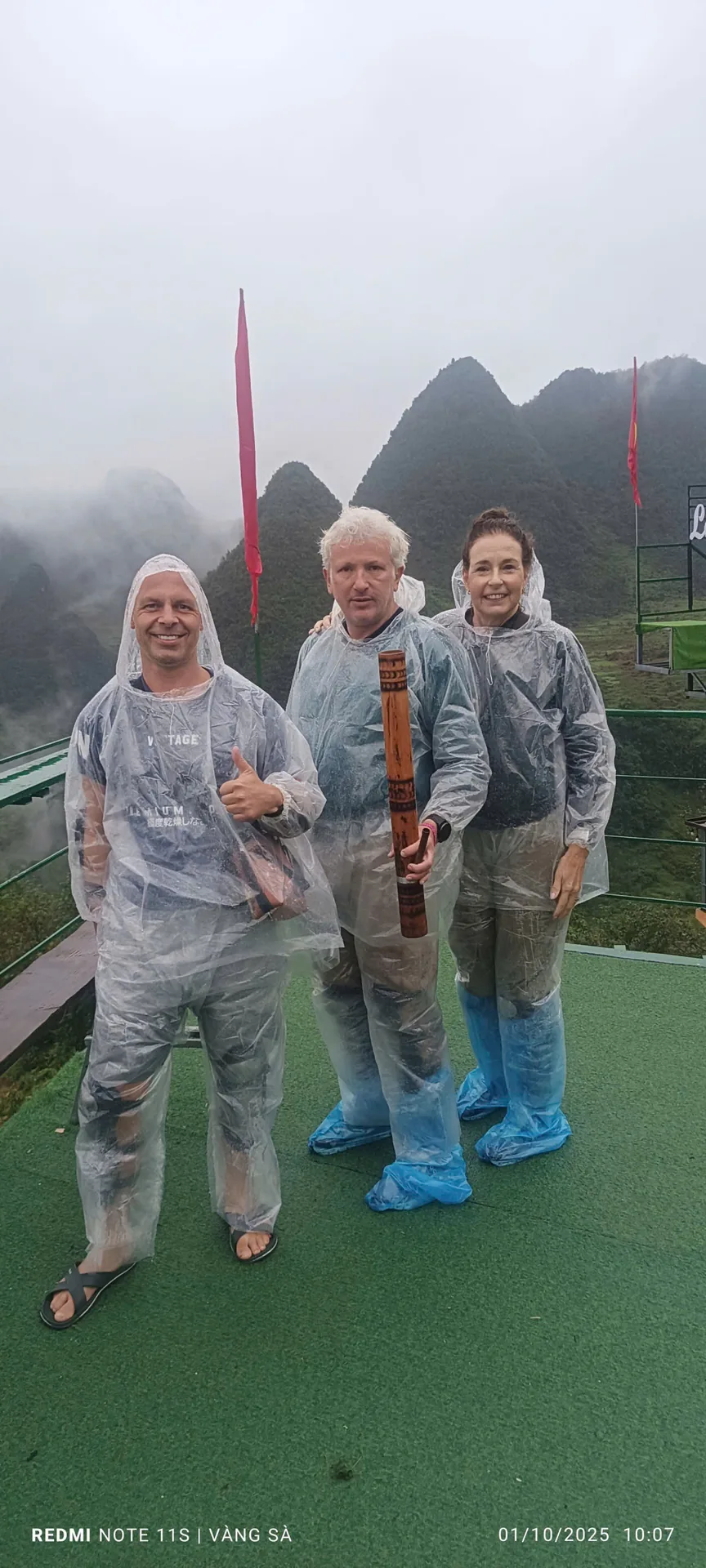
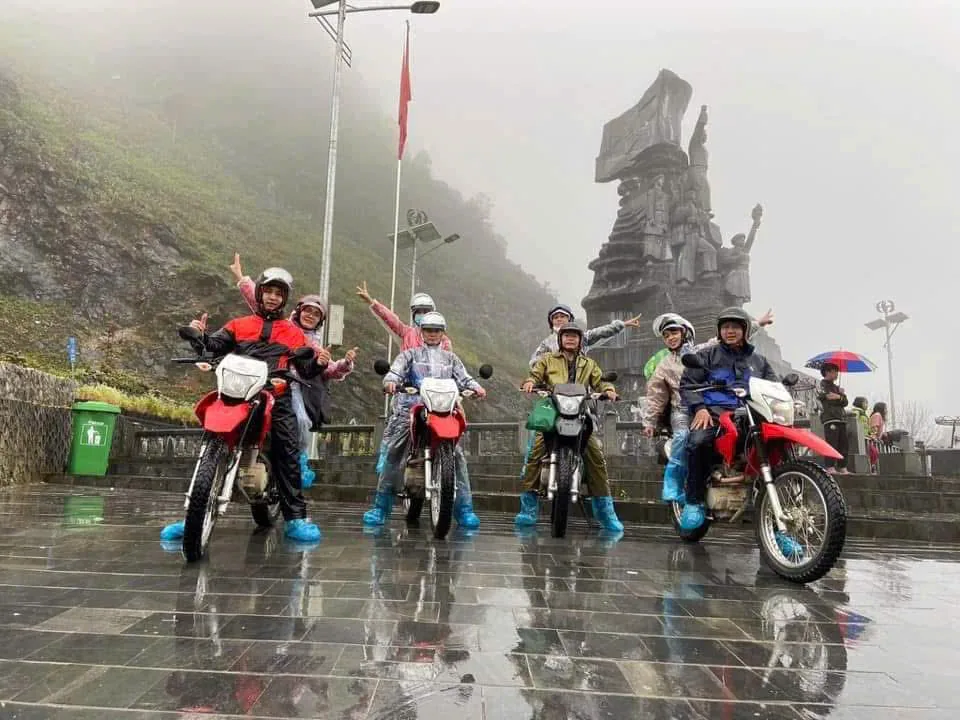
- Weather that turns in minutes. From December to February the plateau sits in cloud and fog can cut visibility to a few bike lengths. From May to September, afternoon storms turn the road into a stream and shake rocks loose onto it.
- Traffic you did not plan for. Limestone trucks, sleeper buses, families three-up on a scooter, buffalo, goats and dogs share one narrow lane, often just past a blind corner.
- Fatigue. Six hours in the saddle, cold air and a night bus the evening before. Concentration drops fastest on the last afternoon, exactly when groups relax.
- Ego. Keeping up with a faster friend, overtaking in a bend, or riding after a glass of rice wine.
Easy Rider or Self-Ride: Which Is Safer?
For most first-time visitors the honest answer is simple: sit behind a local Easy Rider. Our riders grew up on these roads. They know which hairpin hides the gravel, where the trucks pull out and how the fog behaves over Dong Van in the afternoon. You hold on and look at the view, which is what you came for. Every Loop we run, whether 2, 3 or 4 days, is available this way, and it needs no licence and no riding experience.
Self-riding is a genuine option on our 3-day and 4-day Loops, but be honest with yourself. Riding an automatic scooter to the beach is not the same skill as controlling a loaded semi-automatic on a wet switchback while a bus comes the other way. If you have real experience on manual or semi-automatic bikes, a valid permit and the patience to ride slowly in the rain, self-riding is a joy. If any of those is a "sort of", ride behind someone.
There is a third way many couples and friends choose: one person books the self-riding option, the other books a seat behind them. You share one bike, ride with the group and only pay the seat-behind price.
Licence, Insurance and the Rules You Cannot Skip
The law is clearer than most blogs make it sound. To ride a motorbike legally in Vietnam as a foreigner you need an International Driving Permit issued under the 1968 Vienna Convention, with category A or A1 marked, carried together with your national licence. Police check both on the Loop, at fixed checkpoints and pop-up stops. A permit under the older 1949 convention, which many travellers from countries such as the United States and Australia arrive with, is not recognised.
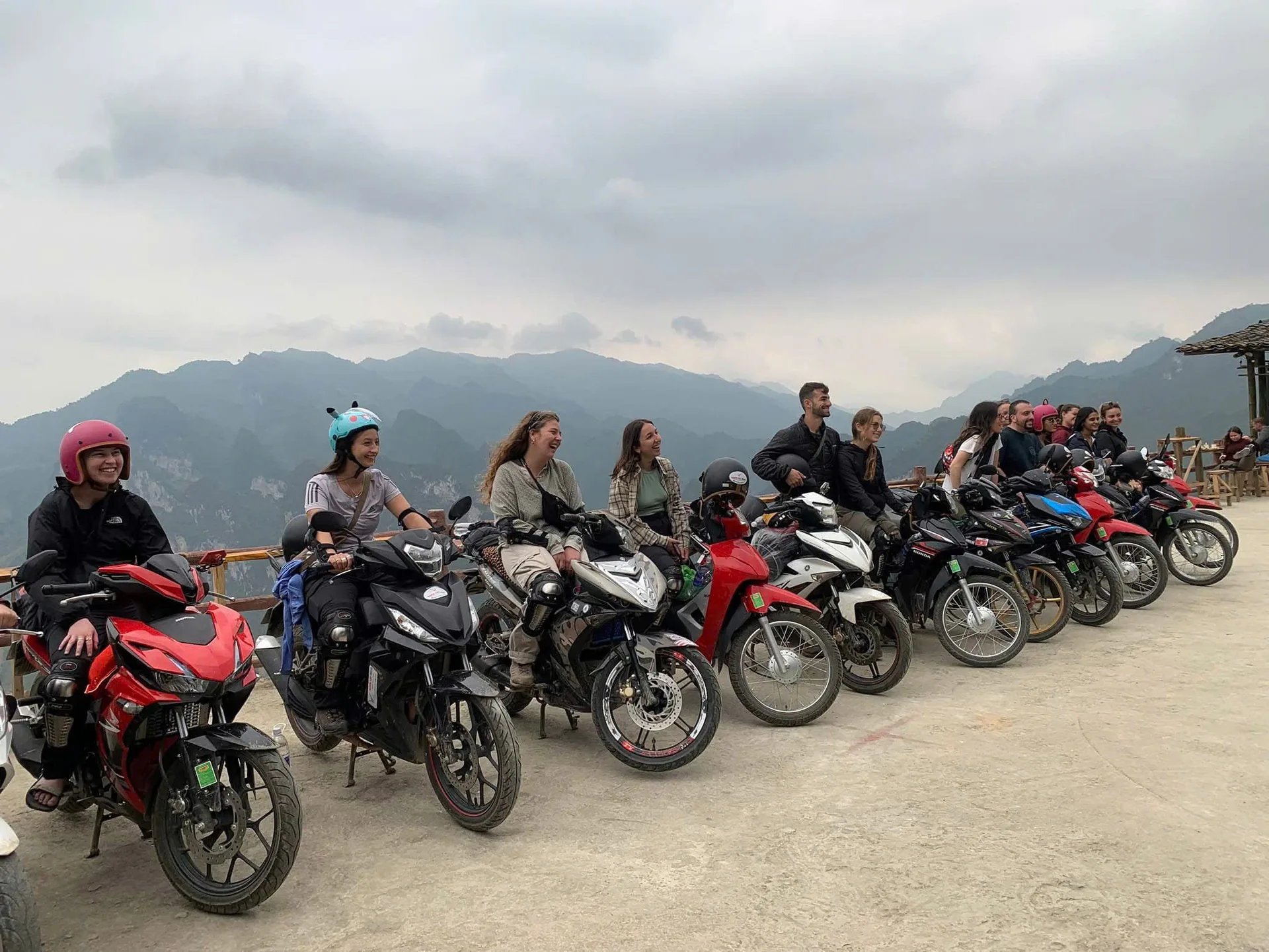
Insurance follows the licence. Almost every travel policy excludes motorbike accidents if you were riding without valid paperwork, and a medical evacuation from Dong Van to Hanoi takes many hours. This is general travel information, not legal or medical advice; confirm the details with official sources and your insurer. If your documents are not in order, choosing an Easy Rider is not a compromise. It is the only sensible option, and it is why we offer it on every tour.
How Freedom Reduces Risk
We cannot make a mountain flat, and we will not pretend to. What we can do is remove the avoidable risks one by one.
- A briefing before every riding day, in English, from the guide who actually rides with you: route, weather, road works, hand signals and group rules.
- Proper gear, included. Helmet, protective gear and a rain coat come with every booking, not as an upgrade.
- Small groups with an English-speaking guide, small enough that every bike stays in the mirror and nobody overtakes the leader.
- Maintained bikes, fuel and travel insurance included, so you are not gambling on a rental shop's brakes.
- We change the plan when the weather says so. Waiting an hour for fog to lift has never ruined a trip. Pushing through has.
- No alcohol before riding. The rice wine at the homestay is for after the bikes are parked.
- Pick-up from Hanoi, Sapa, Ninh Binh, Cat Ba and Ha Long, so you arrive rested instead of piecing transport together at midnight.
What to Do Before Departure
Pack in layers. Hanoi can be mild while the plateau is close to freezing in winter, and a sunny morning in Yen Minh can become a cold, wet afternoon on Ma Pi Leng. Bring closed shoes, sunscreen, personal medication and a small daypack; leave the big bag in our free luggage storage in Ha Giang city.
Sleep the night before, eat a real breakfast and drink water during the day. Tell your guide about anything that matters: motion sickness, an old knee injury, a fear of heights. None of it disqualifies you, but knowing it lets us choose the right rider, pace and stops for you.
Finally, adjust your expectations. The safest Loop is not the fastest one. Some days we ride slower, stop more often or wait out a storm over lunch. Up here, patience is the most useful thing you can pack.
Responsibility Beyond Safety: Riding as a Guest
A safe trip protects you. A good one also protects the people whose home you are riding through. The plateau belongs to H'mong, Tay, Dao, Lo Lo, Giay and Nung families, and the homestays we use are their actual houses.
So we ask a few things of every guest. Ask before you photograph someone, especially children. Do not hand out sweets or money by the roadside; it teaches kids to step into traffic. Slow right down through villages, where the road doubles as a playground and a buffalo path. Carry your rubbish back to town, and if you want to spend money, spend it with the hemp weavers of Lung Tam or the family who cooked your dinner. Respect on the road and respect for the place turn out to be the same habit.
How to Choose a Safer Tour Operator
Whoever you ride with, ask direct questions before you pay. Who exactly are the riders, and are they local? What gear is provided? How many bikes per guide? What happens when it rains? Is insurance included? And the question that tells you the most: do they ask about your licence before selling you a self-riding tour? An operator who does not ask does not care.

Be wary of tours sold on parties, speed or a price far below everyone else's. Something has been cut, and it is usually the thing you cannot see until you need it. A good operator welcomes safety questions; we certainly do.
Final Thoughts: Respect the Road, Receive the Mountain
The Ha Giang Loop is neither a road to fear nor a road to take lightly. It is a serious mountain journey that repays respect with the most extraordinary scenery in Vietnam. Prepare properly, choose the way of riding that fits your real ability, listen to your guide and ride with patience, and the road that could have hurt you becomes the road you talk about for years.
FAQ
Is the Ha Giang Loop dangerous? It can be. Steep passes, fast-changing weather, mixed traffic and inexperienced riders cause most accidents. With preparation and a local guide those risks drop a long way.
Is an Easy Rider safer than self-riding? For almost every first-time visitor, yes. A local rider knows the road, the weather and the traffic, and you need no licence to sit behind one.
Should beginners self-ride the Loop? We advise against it. Self-riding suits people with real experience on manual or semi-automatic motorbikes, a valid 1968 IDP with category A/A1 and insurance that covers them.
What is the biggest safety mistake? Treating the Loop like a social media dare: riding tired, riding fast, riding without a licence, or riding after drinking.
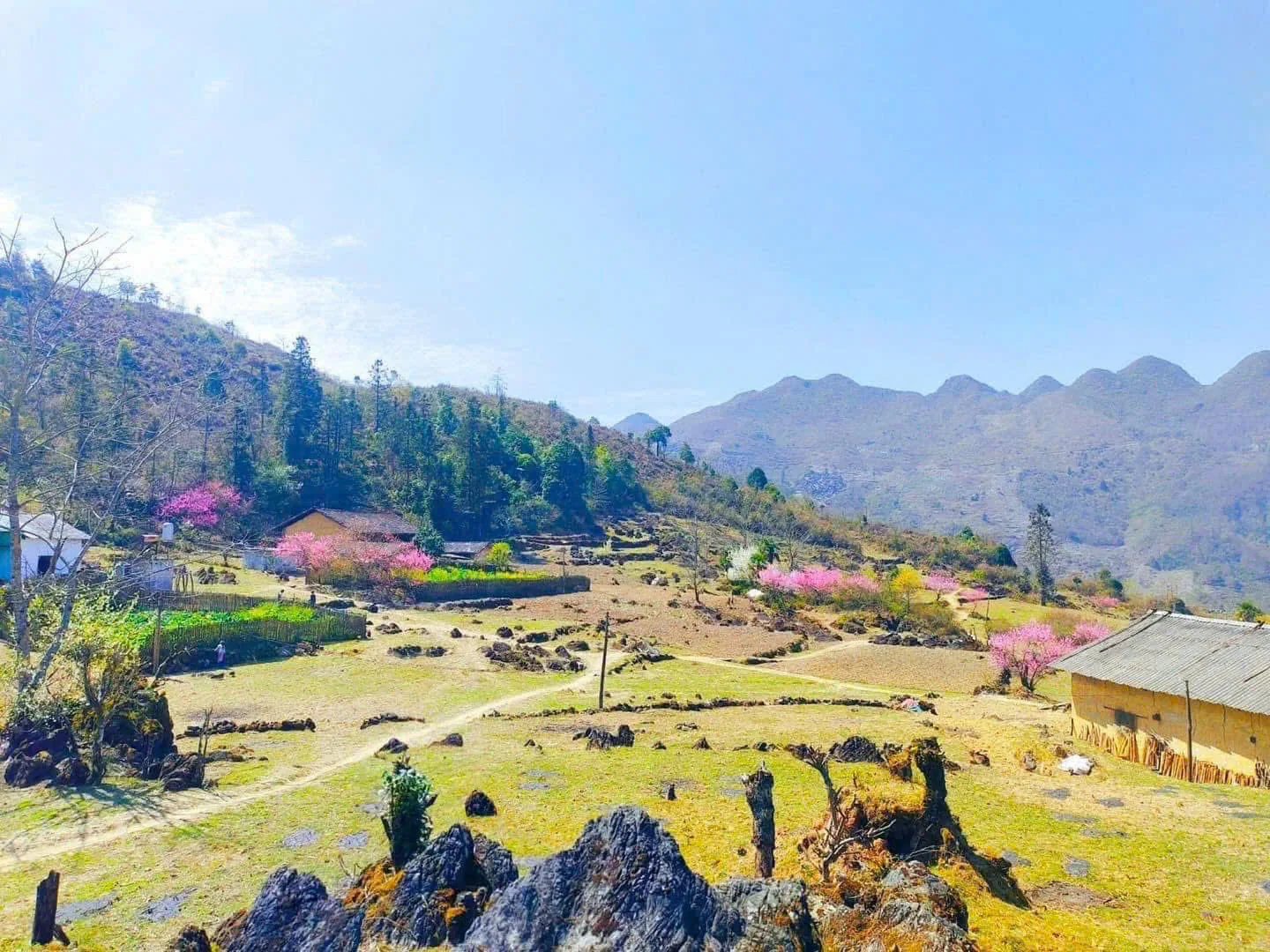
Which season is safest? October to November and March to April usually bring the clearest, driest roads. Winter means fog and cold on the plateau; summer means afternoon storms. We ride all year, but we plan each day around the sky.
Ready to Ride It the Safe Way?
Compare our 2, 3 and 4-day Loops, with Easy Rider, self-riding and seat-behind prices, on our pricing section. If you are unsure which option fits your experience, send us a message on WhatsApp and a real rider will give you a real answer before you book anything.
More stories
10 Aug 2026
Freedom Ha Giang Loop: Why Ride Vietnam's Mountain Road With Us
What a Ha Giang Loop with Freedom actually looks like: three ways to ride, small groups with their own guide, family homestays, proper gear, pick-up from Hanoi and a safety-first pace.
Read more →10 Aug 2026
Ha Giang Loop Adventures: A Complete Guide to Riding Northern Vietnam
Everything we tell our own guests before they ride the Ha Giang Loop: the route through the Dong Van Geopark, Ma Pi Leng and the Nho Que River, the people along the road, how many days to take, and whether to ride yourself or sit behind a local Easy Rider.
Read more →10 Aug 2026
Ha Giang Loop Deaths: The Safety Facts to Know Before You Ride
People do die on the Ha Giang Loop, and pretending otherwise helps nobody. Here is what actually goes wrong on these mountain roads, what the licence law says, and how to pick a way of riding that brings you home.
Read more →